Incident Response Exercises

Turn incident response practice into continuous operational readiness.

Most organizations run a tabletop once a year. The scenario is scripted. The discussion is theoretical. The results are documented and forgotten. Real incidents don’t work that way.

Abstract swirling spiral of glowing white particles against a deep blue background, evoking digital data flow.

Anatomy of the Annual Tabletop

Real Incidents don’t work that way.

Annual Tabletops Create the Illusion of Readiness

Many organizations treat incident response exercises as a compliance requirement rather than an operational resilience program. When a real incident occurs, teams discover the same problems again—only this time under pressure.

Hypothetical Practice

Teams practice hypotheticals, not real workflows.

Unclear Escalation

Ownership and escalation paths remain unclear.

Persistent Coordination Gaps

Coordination gaps persist across security, legal, privacy, IT, and communications.

Limited Operational Change

Lessons learned rarely change cross-functional workflows.

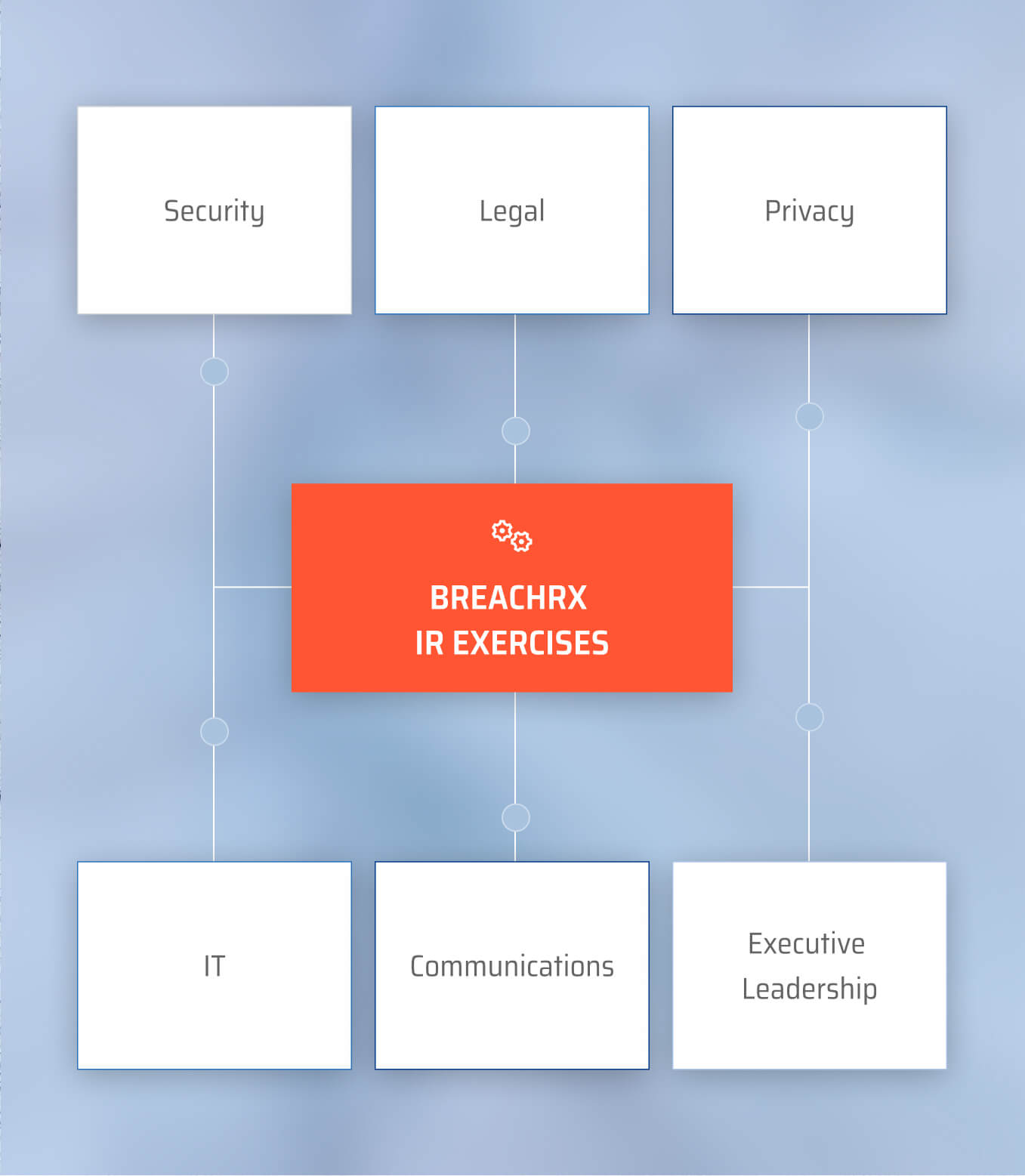
Diagram of BreachRX IR Exercises connecting cross-functional teams: Security, Legal, Privacy, IT, Communications, and

BreachRx IR Exercises

Continuous Preparedness
— Not Compliance Theater

BreachRx IR Exercises help teams rehearse incident response as a cross-functional business process, not a once-a-year tabletop compliance exercise disconnected from real-world scenarios.

Security, legal, privacy, IT, communications, and leadership practice escalation, ownership, decision-making, and coordination together inside the same workflows they use during real incidents, so the organization is better prepared to respond with speed and discipline under pressure.

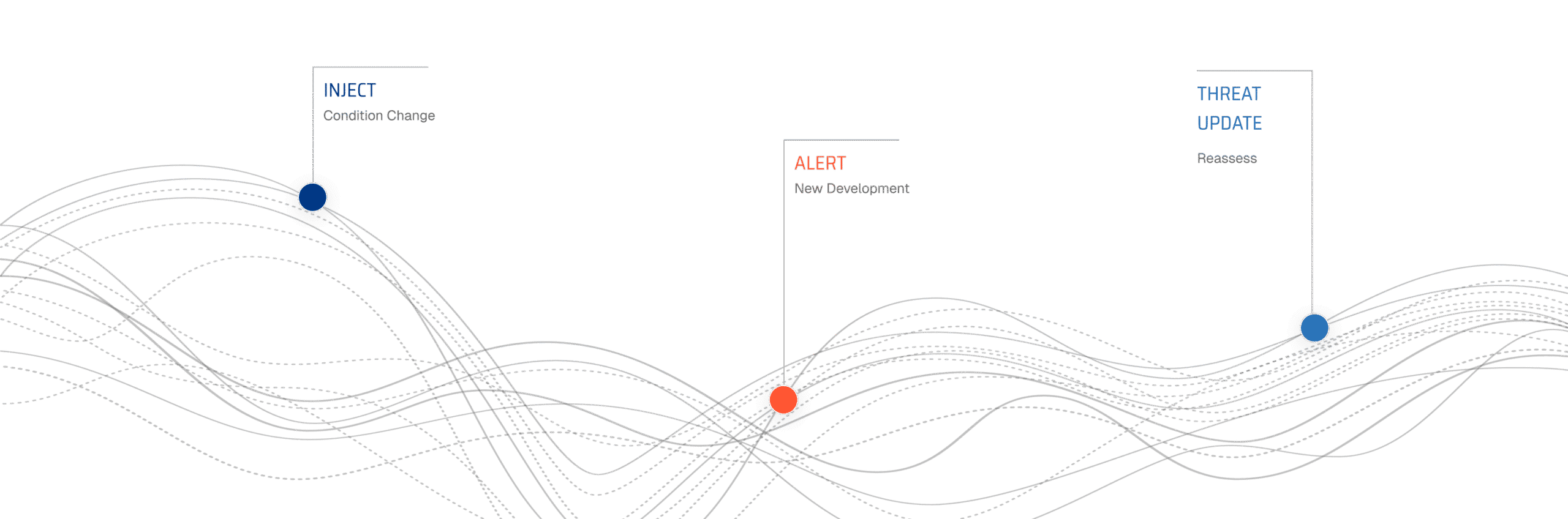
Adaptive Injects and Evolving Scenarios

Real incidents change quickly, and exercises should too

BreachRx exercises introduce dynamic injects and scenario changes that force teams to reassess priorities, adapt their response, and make decisions under shifting conditions.

Wave diagram illustrating adaptive incident response injects with labeled points for Inject, Alert, and Threat Update stages.

Operational Improvements Built Into the Platform

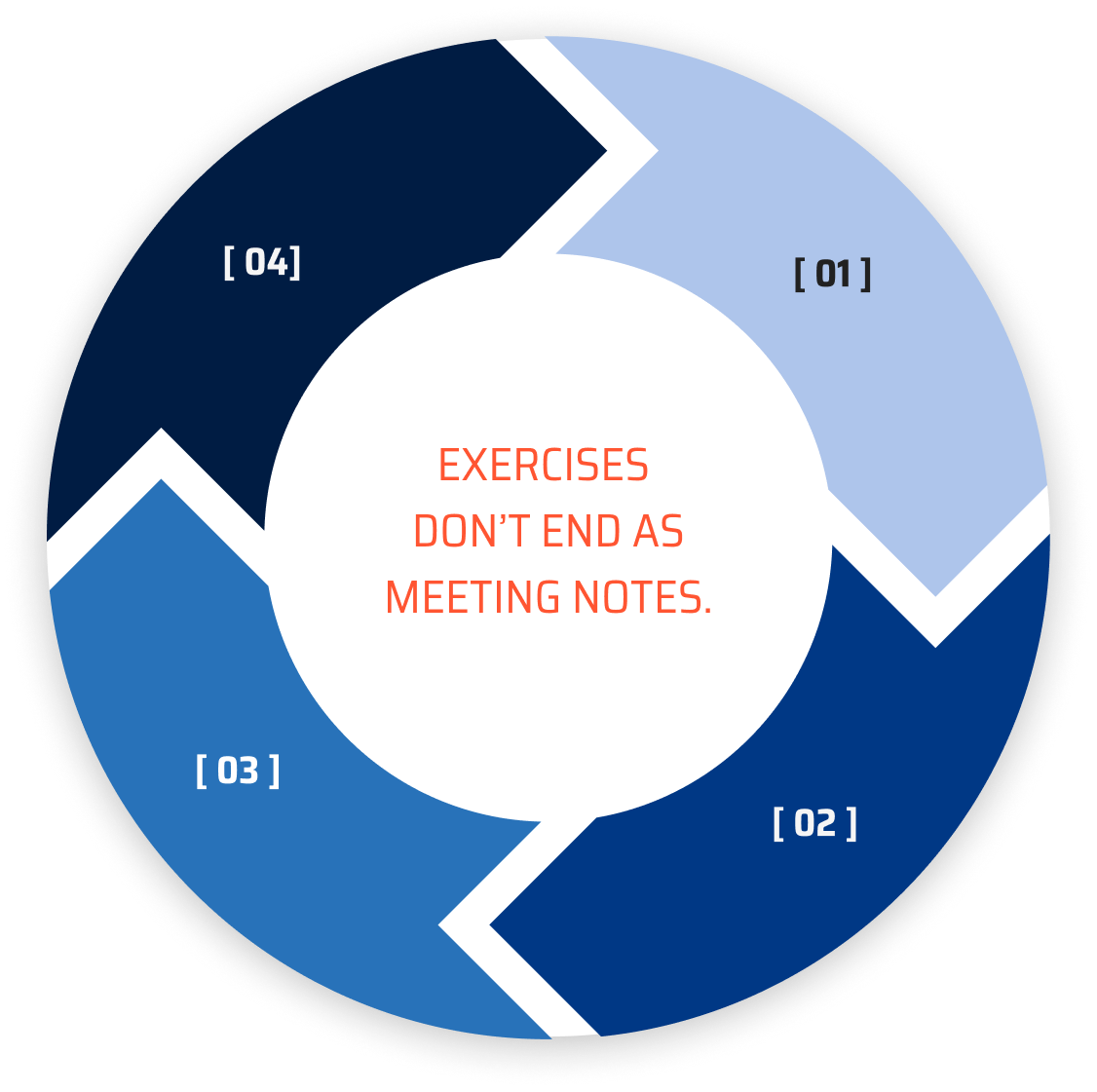
EFFECTIVE EXERCISES DON’T END AS MEETING NOTES.

Insights from each exercise are translated into improvements to workflows, ownership structures, and response procedures directly in the Rex Platform.

TRADITIONAL TABLETOPS
BREACHRX IR EXERCISES
Frequency
Once a year event
Continuous operational discipline
Scenario Nature
Scripted & theoretical
Adaptive with evolving injects
Platform
Conference room/notes
Integrated into real workflows

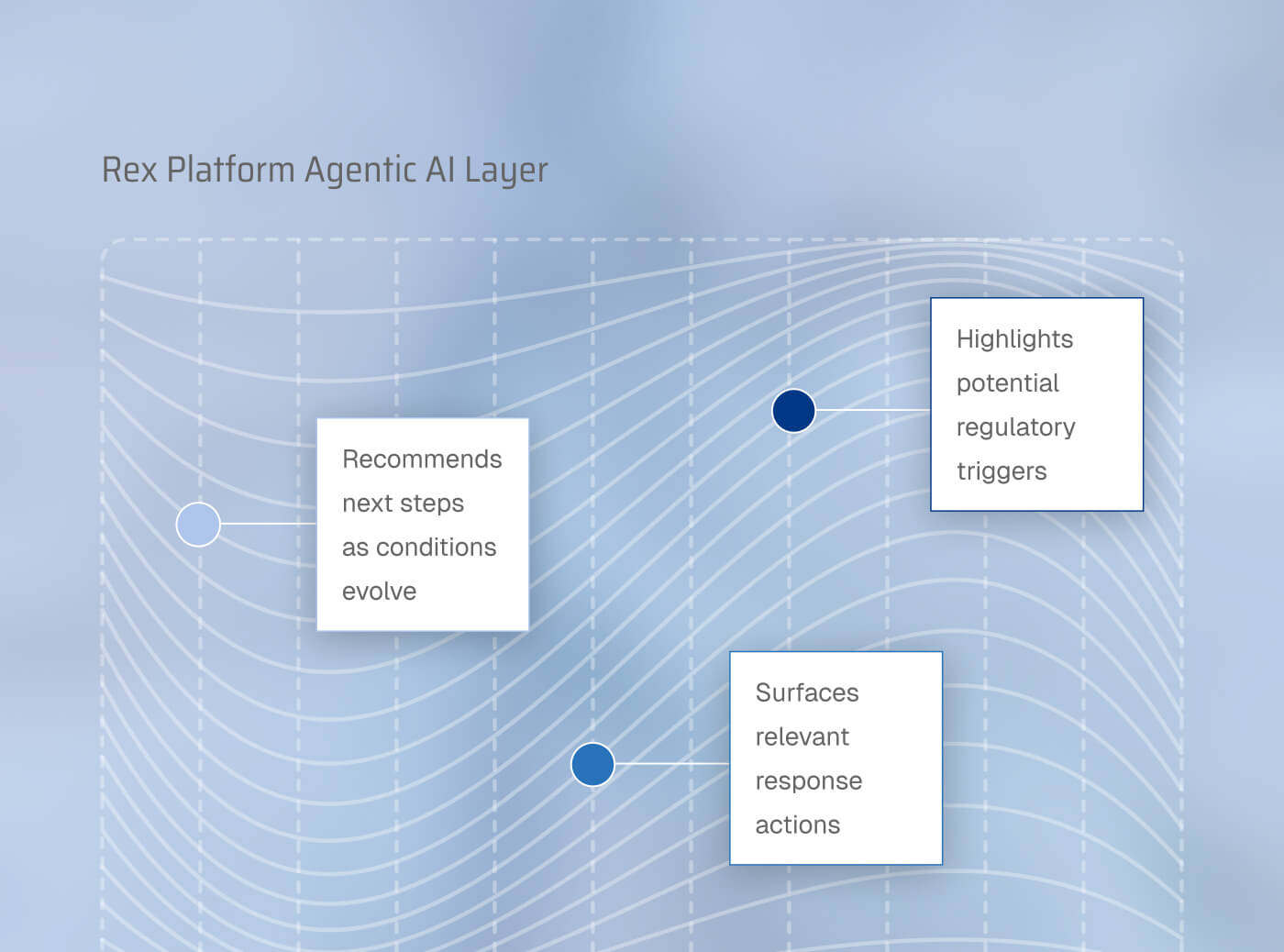
Agentic AI–Assisted Guidance

AGENTIC AI LAYER GUIDES EXERCISES AS CONDITIONS EVOLVE

BreachRx Agentic AI recommends real-world scenarios, key injects, next steps, highlights potential regulatory triggers, and surfaces relevant response actions—augmenting teams without replacing human judgment.

Diagram of Rex Platform Agentic AI Layer highlighting next-step recommendations, regulatory triggers, and relevant response

Rehearse Incidents
the Way They Actually Unfold

Exercises are launched directly within the CIRM solution using the same response workflows used during real incidents.

Three stylized figures grouped behind a podium icon on a light blue background, representing incident response team

Teams receive assignments, track tasks, and document decisions exactly as they would in a live event.

White icon of a person presenting at a whiteboard on a blue background.

Facilitators Introduce new developments, change conditions, 
and observe how teams coordinate across functions.

After the exercise concludes, the BreachRx IR Exercises captures insights and translates them into operational improvements.

Practice Scenarios That Mirror Reality

INCIDENT RESPONSE EXERCISES RUN ON THE SAME REX AI USED IN LIVE RESPONSE WITHIN THE CIRM PLATFORM

Using Cyber RegScout® regulatory context and real-time scenario changes, the system continuously updates tasks, deadlines, and cross-functional workflows while flagging escalation and disclosure milestones.

Run Simulation

Execute exercise.

Capture Insights

System automatically captures gaps and observations.

Evaluate and Change

Directly update workflows, ownership structures, and response procedures inside the solution.

Enhance Readiness

The next exercise (on real incident) utilizes the improved baseline.

Circular four-step diagram in shades of blue with center text stating "Exercises don't end as meeting notes."

IR Exercises Help Teams

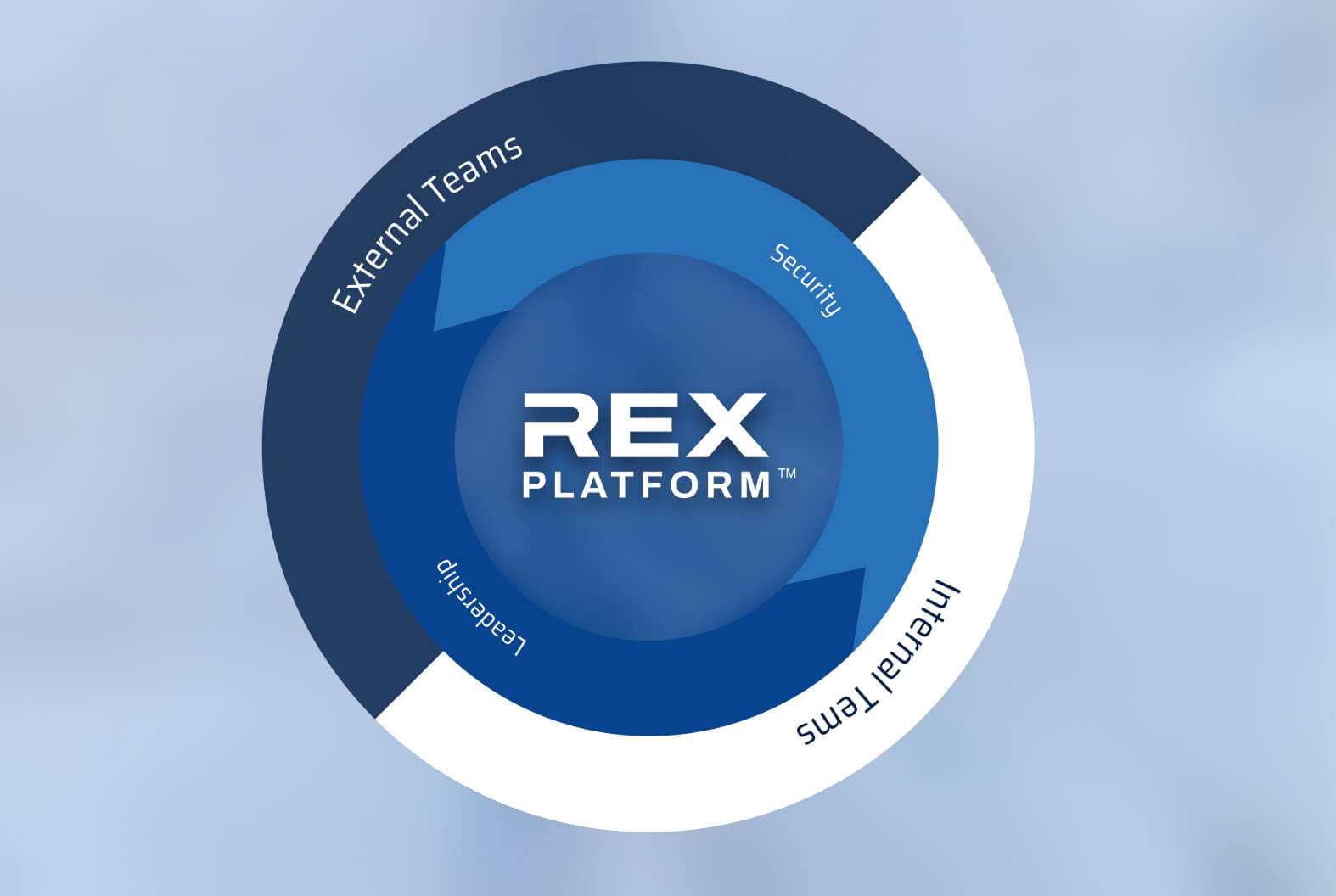
Powered by the BreachRx Rex Platform™

INCIDENT RESPONSE EXERCISES REFLECT REAL-WORLD CONDITIONS

The BreachRx IR Exercises solution is built on the Rex Platform, the system enterprises use to manage real cyber incidents. As a result, rehearsals reflect real-world conditions and drive meaningful improvements to operational workflows. Preparation becomes continuous—not occasional.

Circular diagram featuring the REX Platform logo at center, surrounded by labels for External Teams, Security, Internal

Incident Response Exercises FAQs

How does BreachRx support Incident Response Exercises?

BreachRx supports Incident Response Exercises by enabling streamlined, on-demand cross-functional simulations run within the Rex Platform to build continuous operational readiness. Security, legal, privacy, IT, communications, business stakeholders, and leadership, or any combination of those teams, can rehearse escalation, ownership, decisions, tasks, and documentation using the same workflows they would use during a real incident. The goal is to improve the organization’s actual response process, not simply complete an annual compliance exercise.

How are BreachRx exercises different from traditional tabletop exercises?

Traditional tabletops are often scripted discussions that produce notes and highlight a few steps and decisions but do not meaningfully change the processes teams use during a real incident. BreachRx exercises use adaptive scenarios, evolving injects, assigned work, tracked decisions, all in live CIRM workflows. Findings can be translated directly into updated ownership structures, response procedures, and platform workflows, creating a rapid operational improvement loop instead of a one-time event.

Who should participate in an incident response exercise?

The exercise should include the functions expected to make or execute decisions during the scenario. That commonly includes security, IT, legal, privacy, compliance, communications, business operations, and executive leadership. Organizations may also involve external counsel, forensic providers, insurers, or critical vendors. Cross-functional participation exposes handoff, authority, communication, and escalation gaps that a security-only exercise cannot reveal.

How often should organizations run incident response exercises?

There is no single cadence for every organization. Exercises should occur often enough to validate material changes in personnel, technology, business operations, regulations, vendors, and threat conditions — not only once a year. A mature program combines broader cross-functional exercises with shorter, targeted drills and microexercises so teams repeatedly test high-risk decisions, escalation paths, and workflows between major simulations. Exercises between one or two teams are another way BreachRx customers build influence and readiness across the organization.

Can incident response exercises test changing or concurrent cyber incidents?

Yes. BreachRx exercises can introduce new facts, shifting business impact, regulatory triggers, and overlapping response demands as the scenario progresses. This allows teams to practice reprioritizing work and making coordinated decisions when the scenario does not follow a predictable script, as is frequently the case for real incidents. It is particularly useful for preparing for AI-scaled attacks, third-party cascades, and multiple reporting clocks.

What happens after a BreachRx incident response exercise?

The exercise record helps teams identify unclear ownership, missed actions, delayed escalations, workflow gaps, communication failures, and other readiness issues. Those findings can be converted into changes to response procedures, roles, and workflows inside the Rex Platform, where exercises then become an on-tap reference if needed during real incidents. The next exercise — or real incident — then begins from an improved operational baseline rather than leaving lessons learned in a presentation or meeting document.